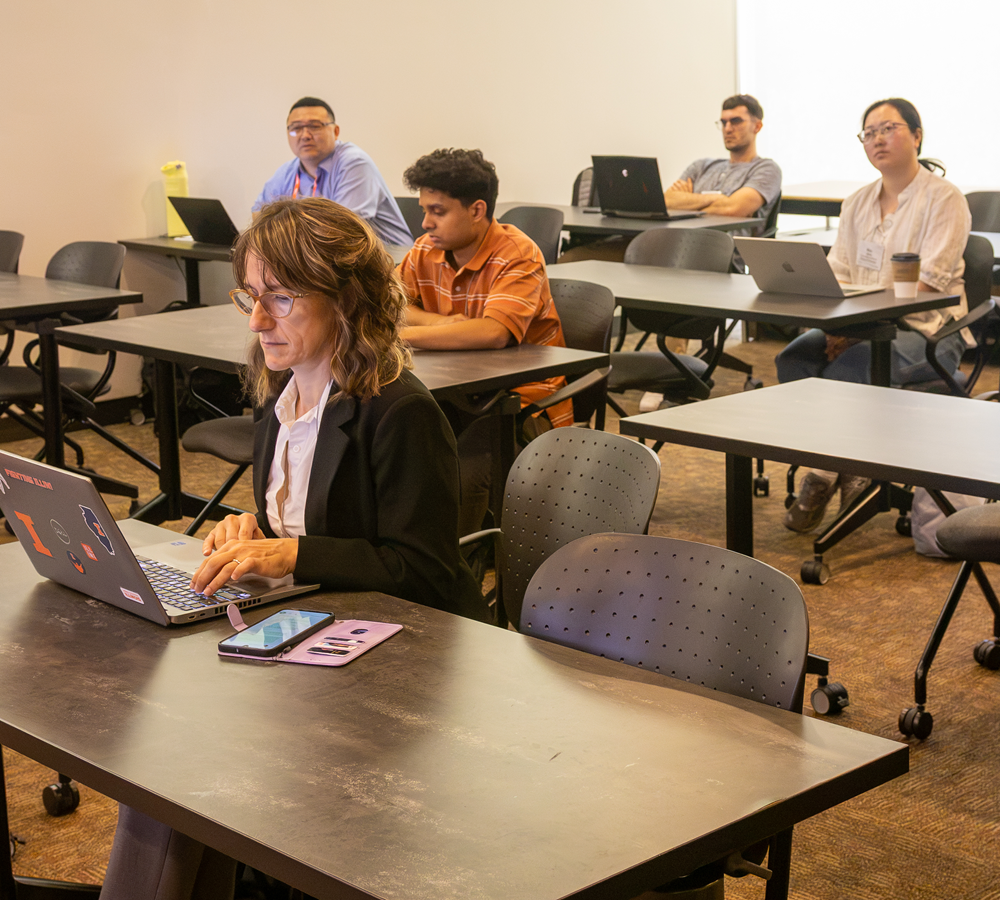
In early August, I-GUIDE held its 2026 Forum, AI and Science: From Geospatial to Convergence, at the University of Illinois Chicago in conjunction with the annual Ecosystem Conference for the five NSF Harnessing the Data Revolution (HDR) Institutes. The gathering brought together over 100 multidisciplinary researchers interested in shaping the future of AI and data-intensive sciences, and provided an expanded platform for collaboration and networking across the HDR ecosystem.
The Forum started with a day of hands-on workshops. Topics focused on geospatial AI, cyberGIS, and data-driven science tied to I-GUIDE research projects such as aging dams. The I-GUIDE Platform, deployed during these workshop sessions, supports these types of activities.
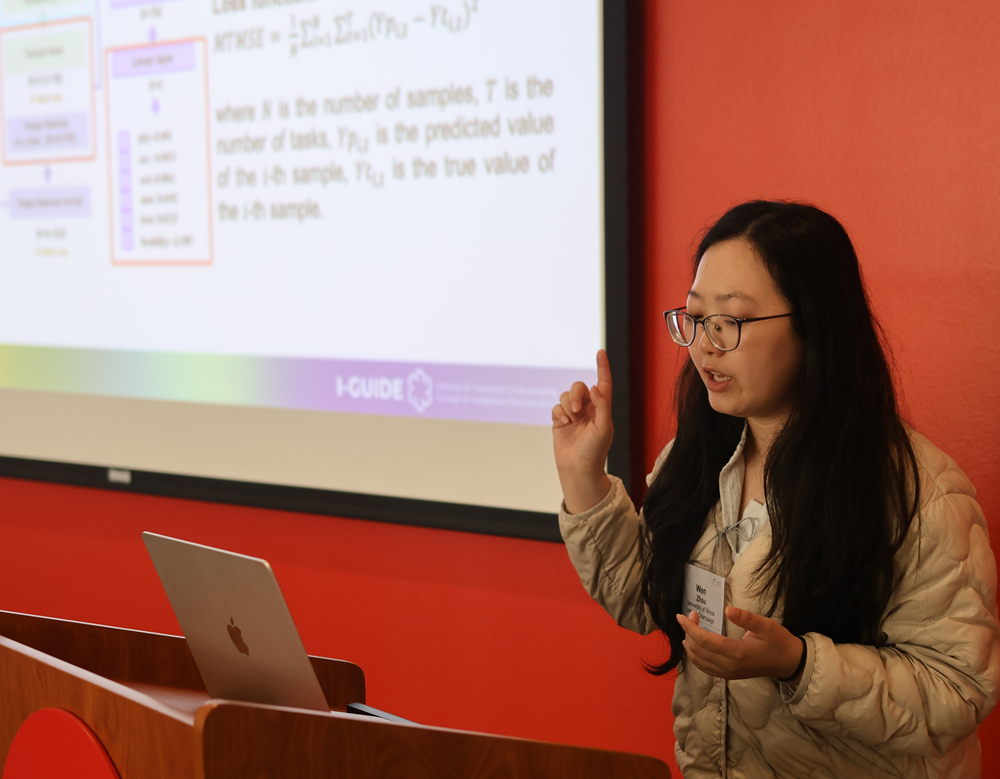
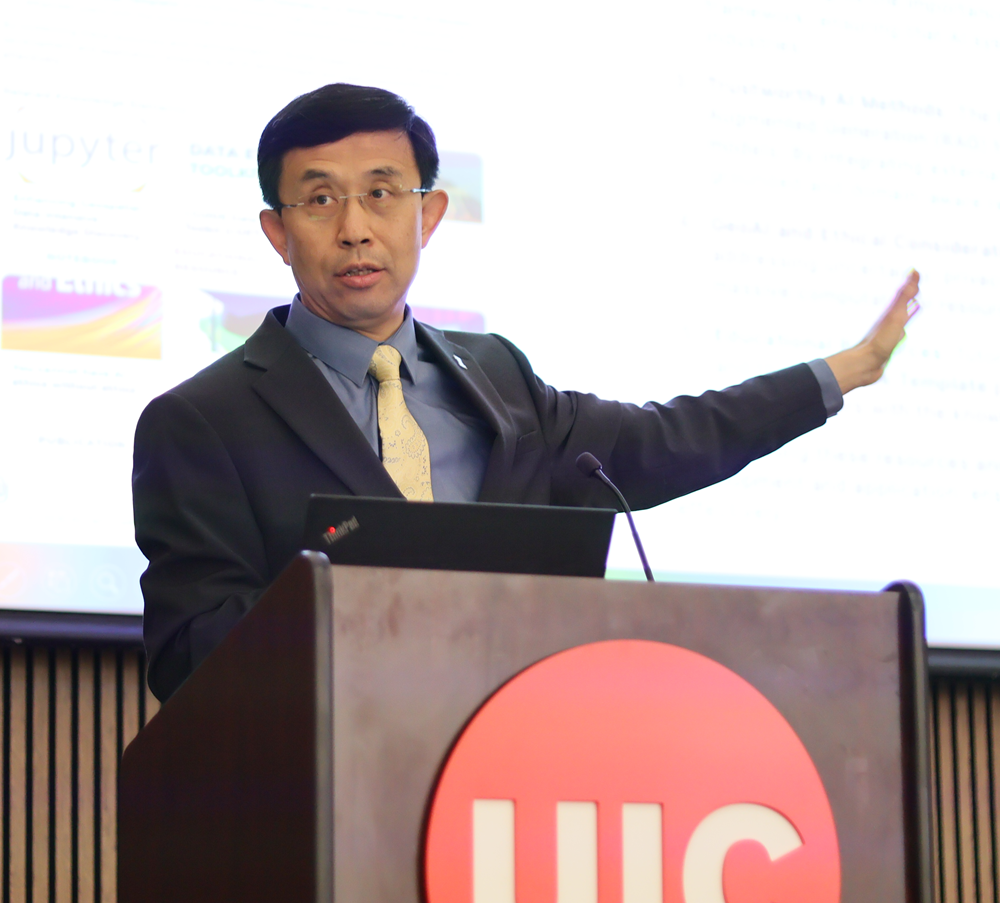
I-GUIDE Director Shaowen Wang launched the second day of the Forum with an overview of the State of I-GUIDE. He highlighted the principles that I-GUIDE has come to espouse for the responsible use of AI, including grounding it in critical spatial thinking and democratizing access to spatial data and AI together.
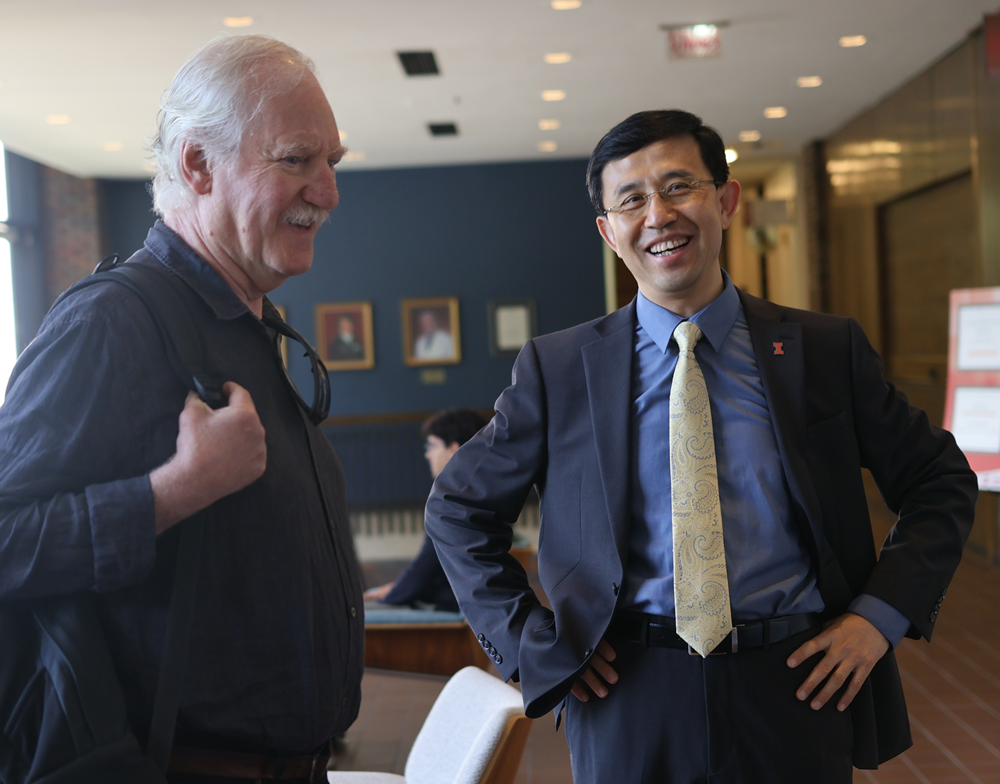
Luc Anselin, the Stein-Freiler Distinguished Service Professor of Spatial Data Science at the University of Chicago, offered a perspective-inspired keynote on the trends he’s observed in spatial analytics over his career, influenced by computing, the nature of the questions being posed, and the expanded availability of data from new and novel sources.
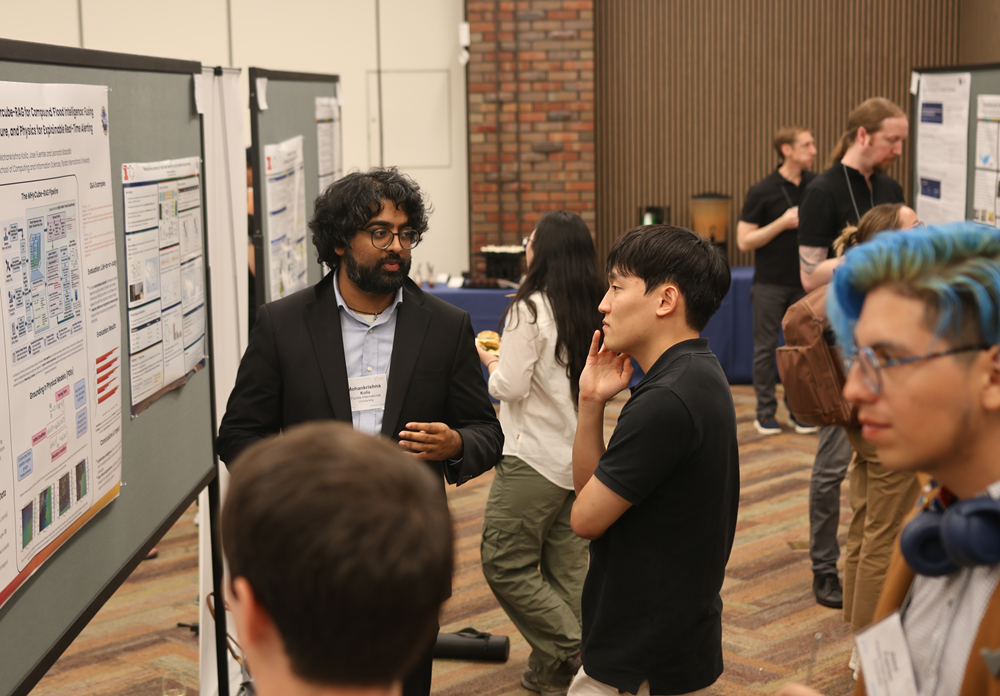
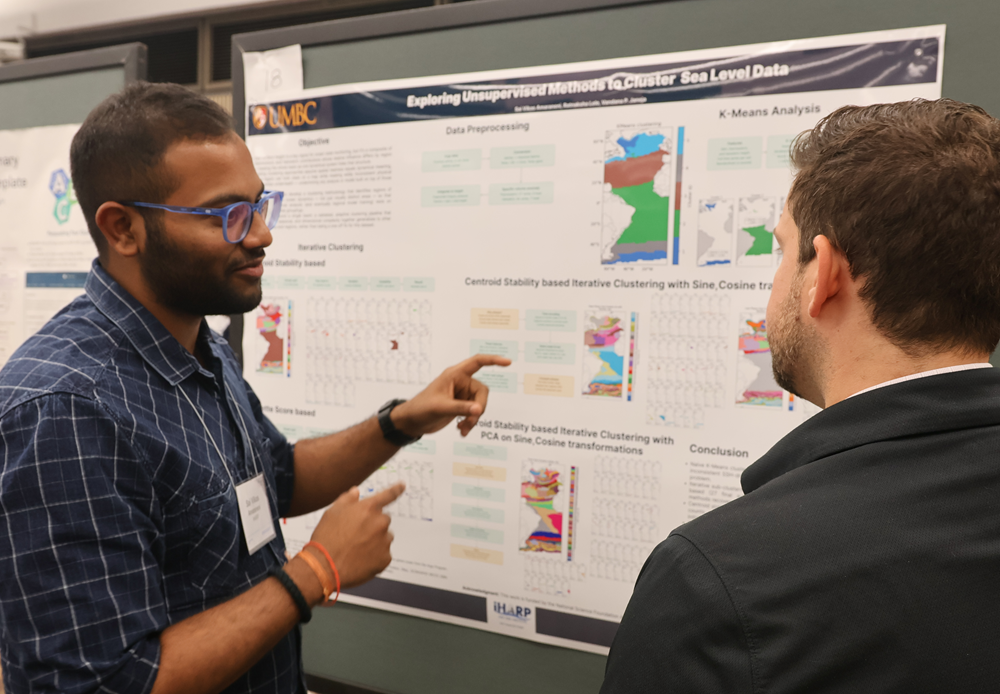
A Wednesday night reception and poster session provided a social opportunity to explore research accomplishments from across all areas of the HDR Institutes.
Over the course of the week, leaders from the other four HDR Institutes shared their highlights as well. Common themes included the gains made in discoveries with novel data sources and the challenges that convergence approaches create in reaching and sustaining connections with new academic and professional audiences.
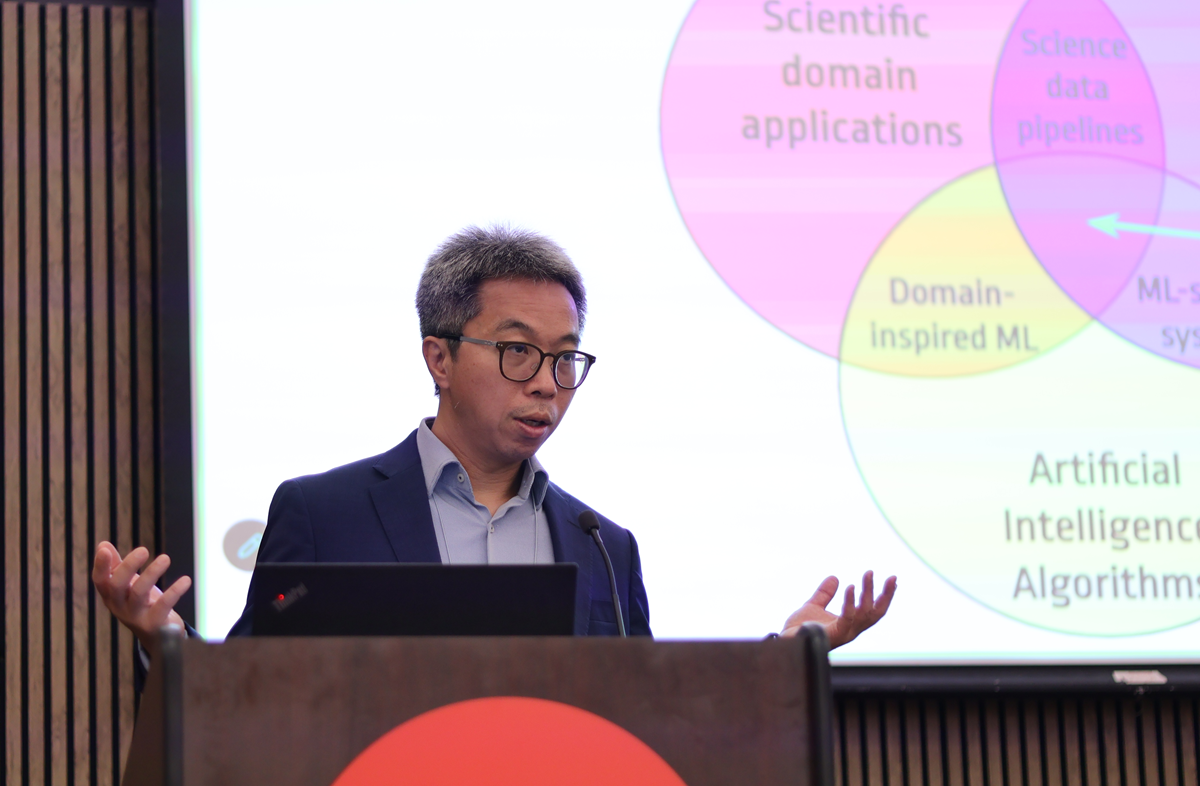
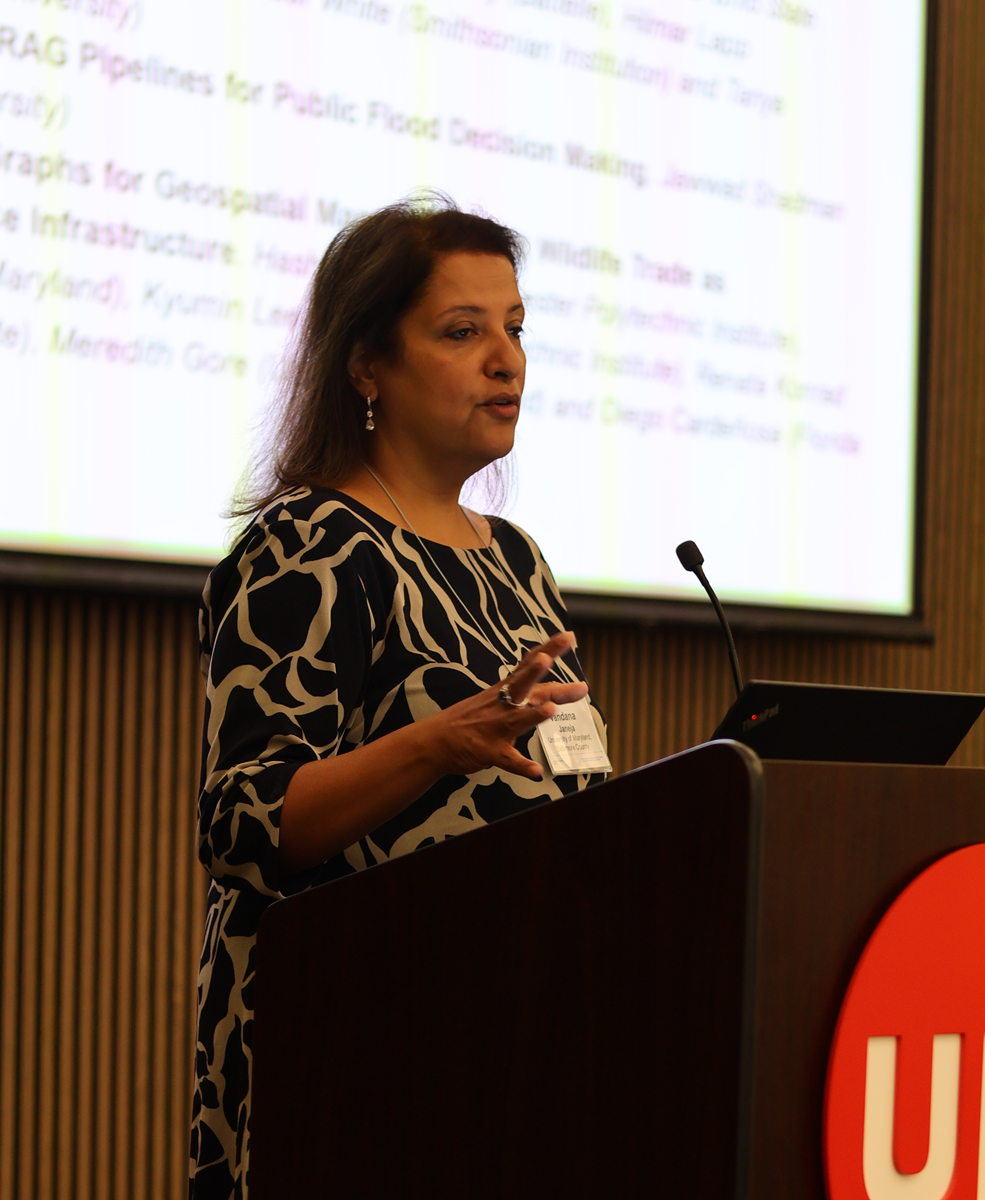
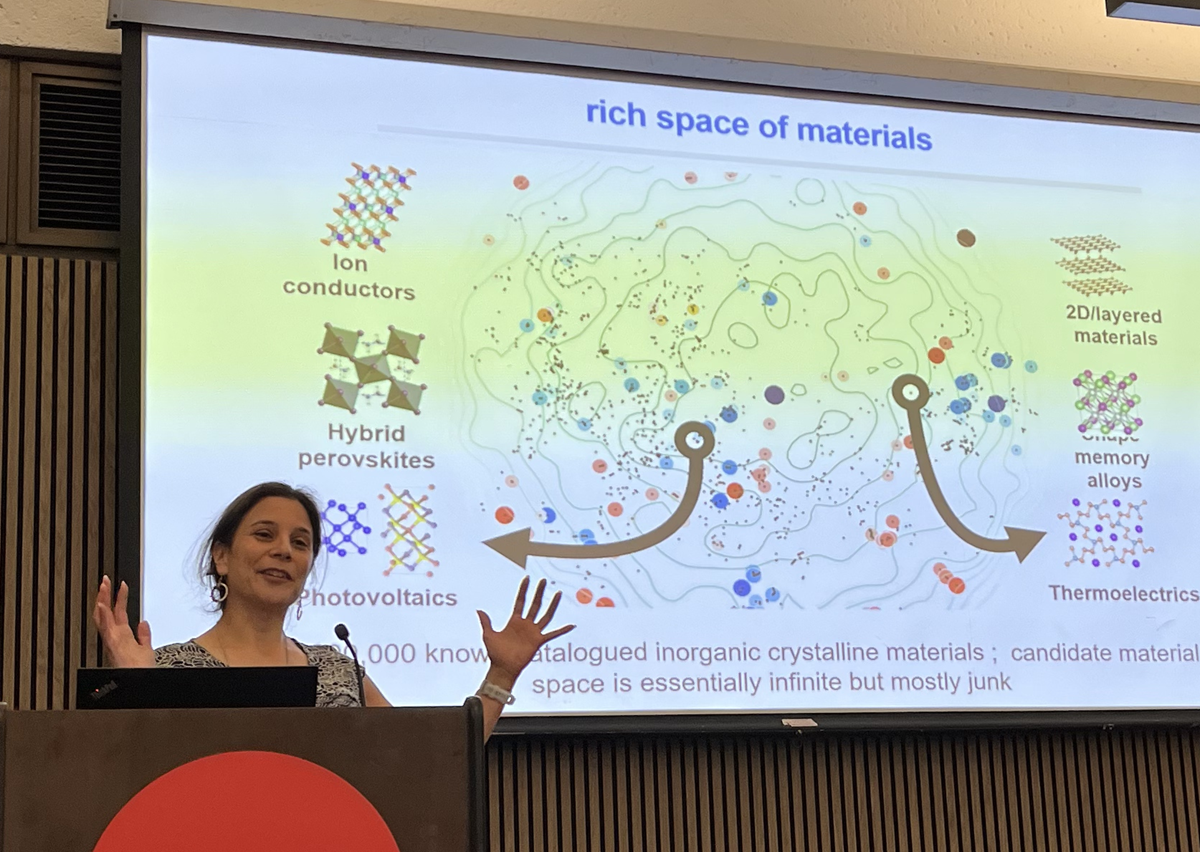
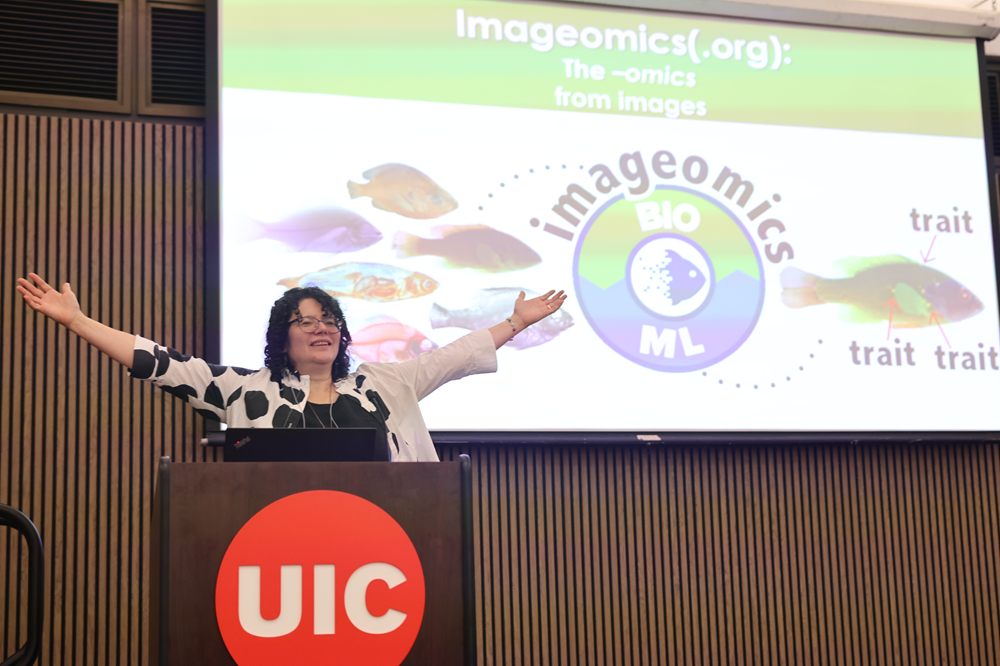
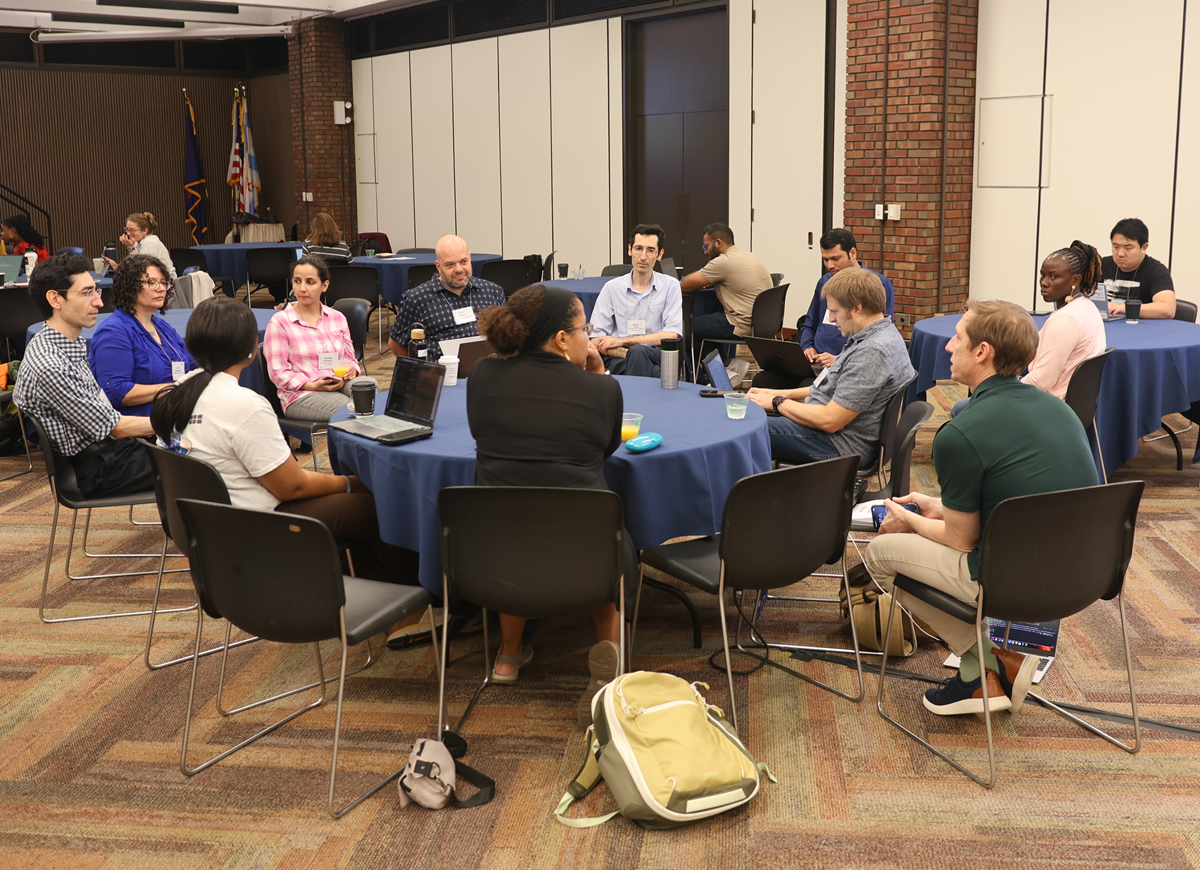
Along with formal presentations, the Forum and Conference were rich with discussion opportunities organized around guiding questions, such as “What should AI-era education and workforce development look like for data-intensive discovery and innovation?” and “What does trustworthy AI-enabled science require in practice?”
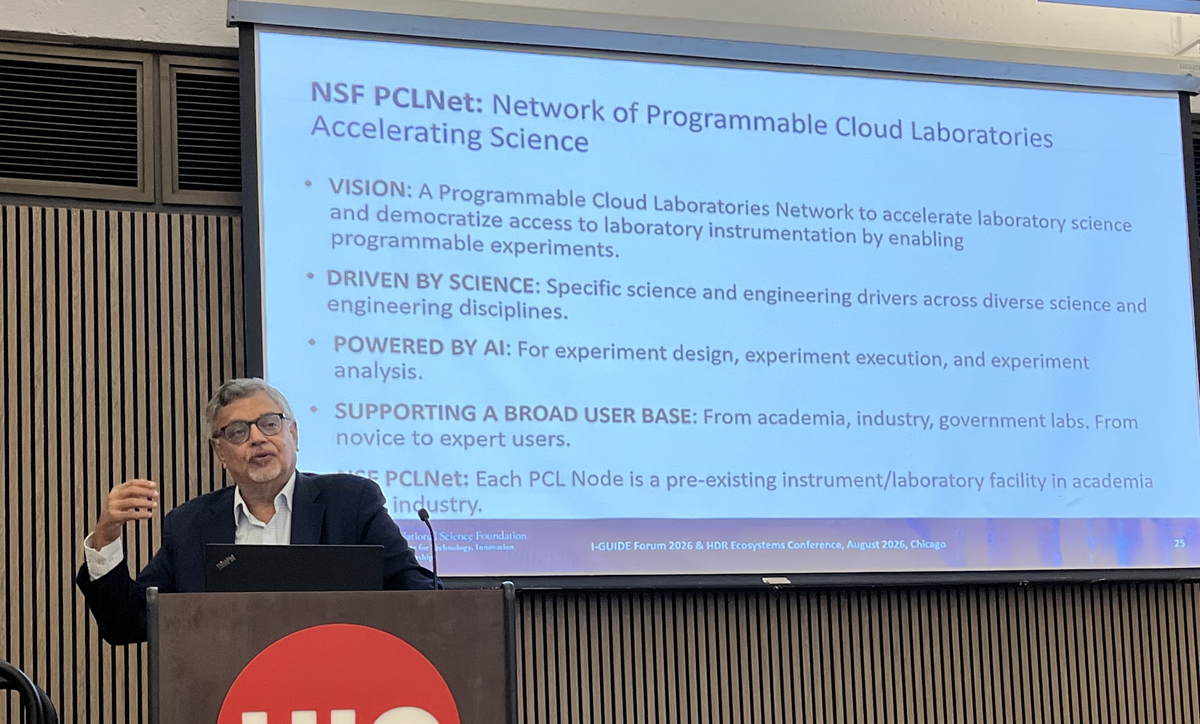
Three sessions were particular turning points for the discussion overall. First, Joseph Whitmeyer, the NSF program director currently overseeing I-GUIDE, spoke to the audience via Zoom to share the status of funding in the Social, Behavioral, and Economic Sciences (SBE) Directorate, which for the upcoming 2027 fiscal year has been set to zero. Hearing this at the start laid the groundwork for a later second NSF presentation, the keynote by Chaitan Baru, Section Head for Emerging Technologies in NSF’s TIP Directorate. His message highlighted approaches NSF may support to “rebalance” an AI portfolio, including emphasizing that AI is not limited to generative LLM AI, supporting open knowledge networks for commonsense, and the importance of human-like reasoning and learning methods.
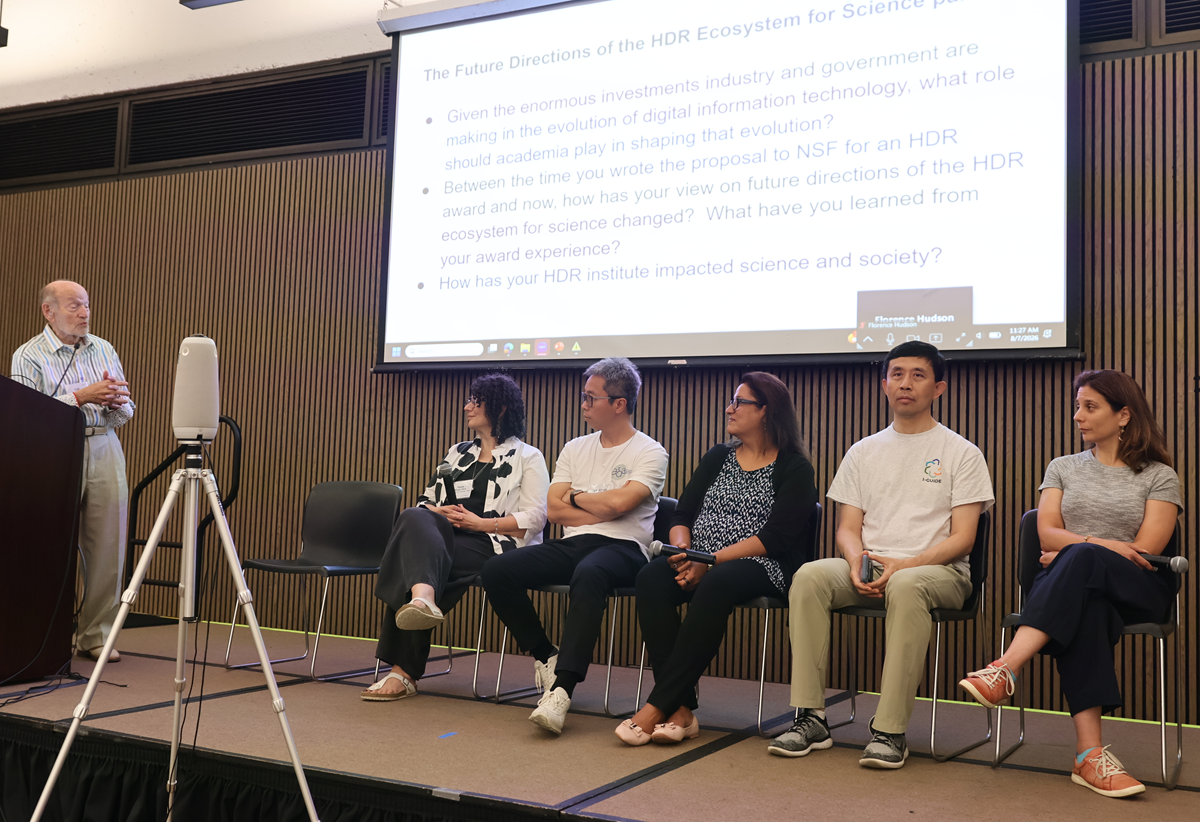
Finally, the closing panel of the conference, hosted by Cliff Jacobs, a member of I-GUIDE’s External Advisory Board, prompted the HDR Institute leaders to frame their next ideas based on the lessons learned and impacts achieved over the preceding five years. One area they all agreed has been a challenge is how to measure the impacts of their convergence science accomplishments in ways that go beyond insufficient traditional measures, such as numbers of publications.